

|
Archéo-Nil Society for the study of pre-pharaonic cultures of the Nile Valley Launched in 1990 out of the need to provide a platform for the growing interest and activity in the fields of Prehistory, Egyptology, Archaeology and Ethnology, Archéo-Nil aims to promote the study of pre-pharaonic civilisation in the region of North East Africa. At the crossroads of several disciplines, Archéo-Nil has developed its activities in two main directions: firstly, to provide support for professionals, within the framework of academic institutions (CNRS, Universities and Institutes); and secondly, to provide a platform for the dispersal of this knowledge to the wider community. A/Prof. Yann Tristant (professor at KU Leuven, Belgium) has been president of Archéo-Nil since 2011. The former President and founder of Archéo-Nil is Prof. Béatrix Midant-Reynes, emeritus CNRS research director and former director of the French Institute in Cairo (2010-2015). An annual thematic journal is a significant aspect of the society's scientific activity. Scholars are regularly invited to present the results of their research to the public. To date Archéo-Nil boasts over a hundred members that include, students, full subscribers, benefactors and donors. Our members include many people within the International academic community.
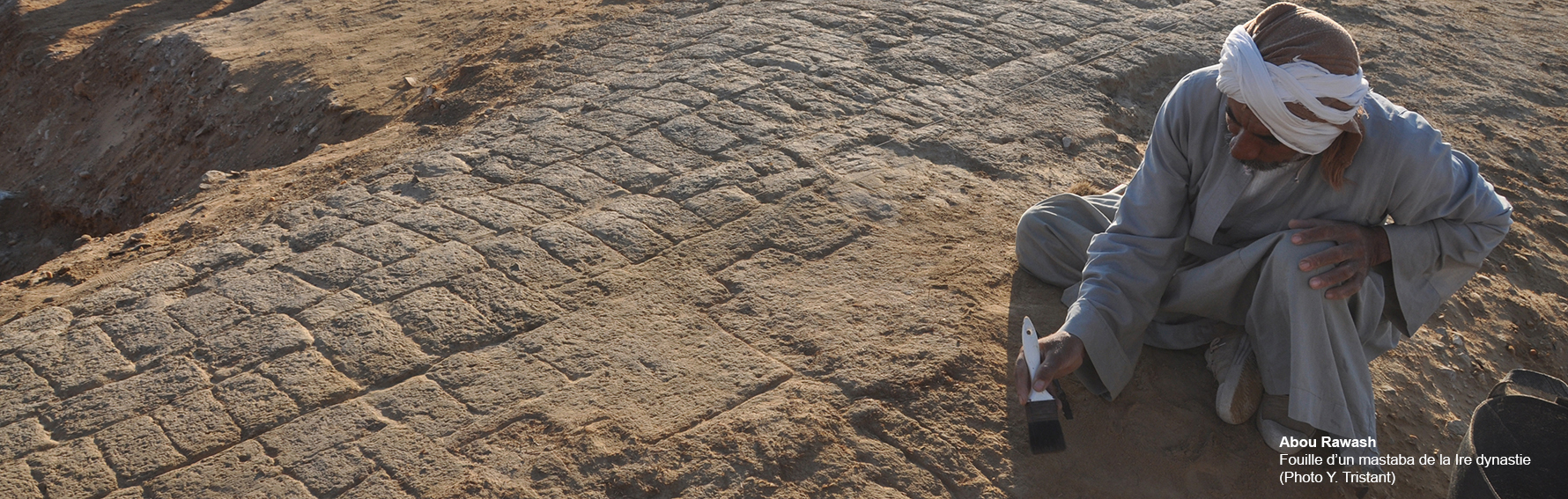
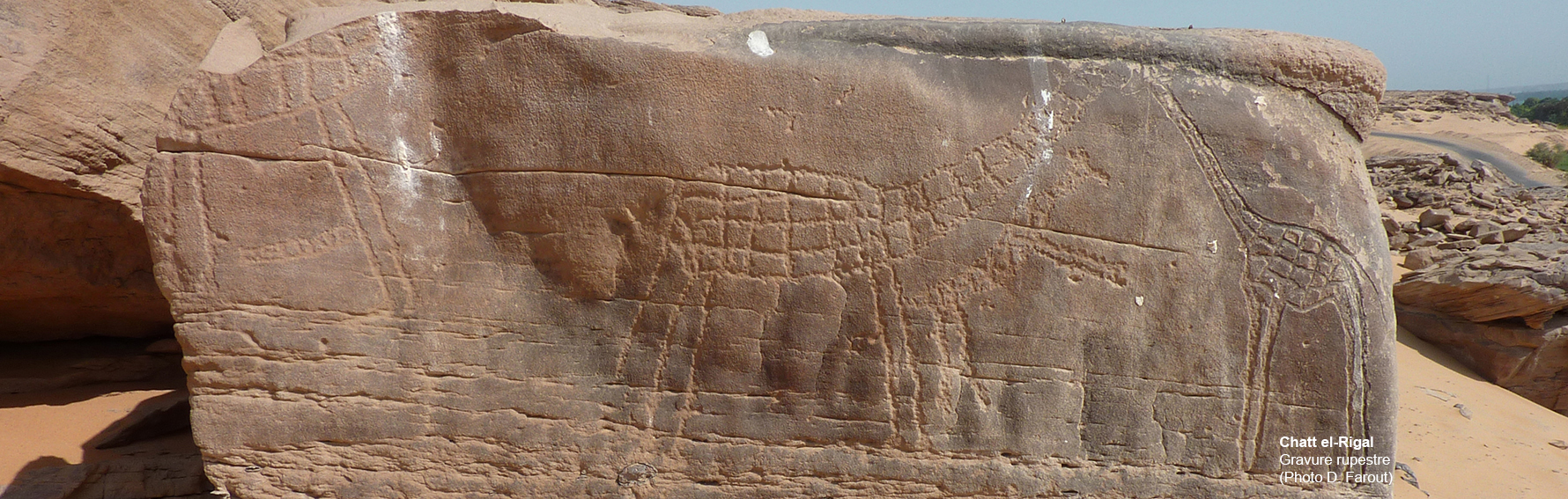
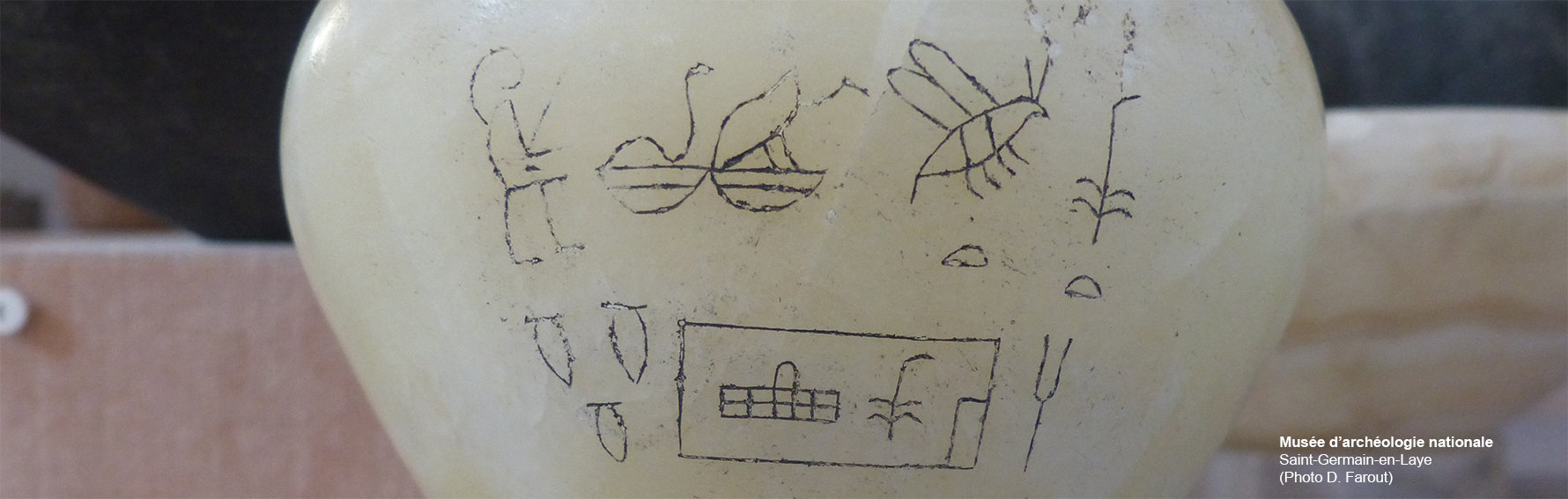
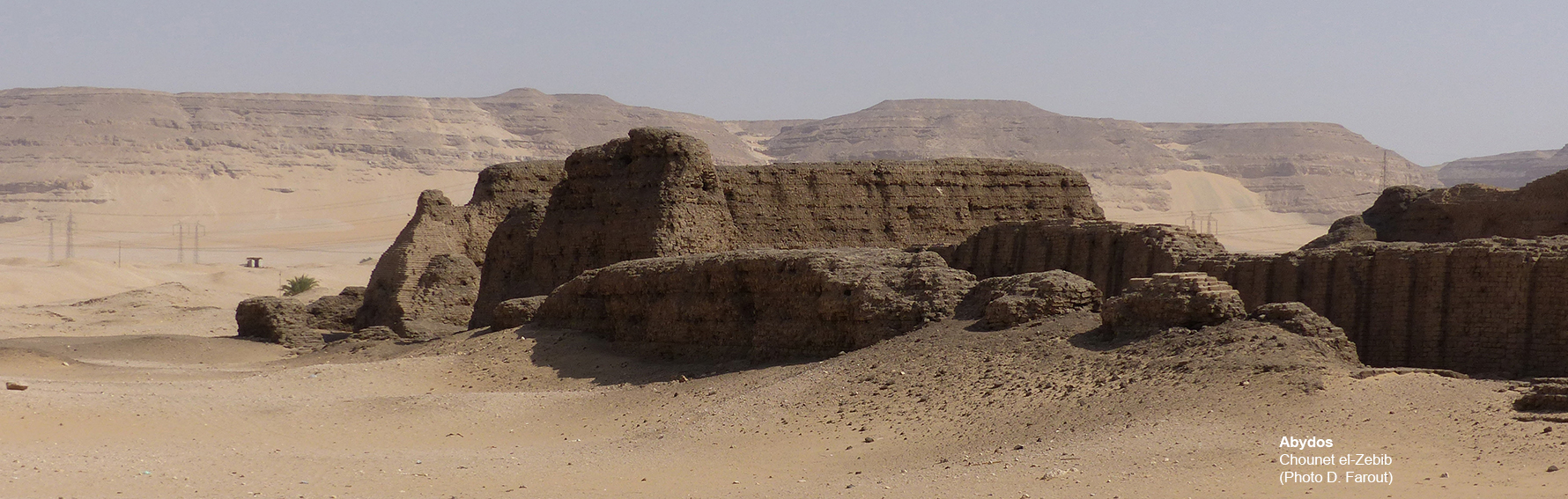
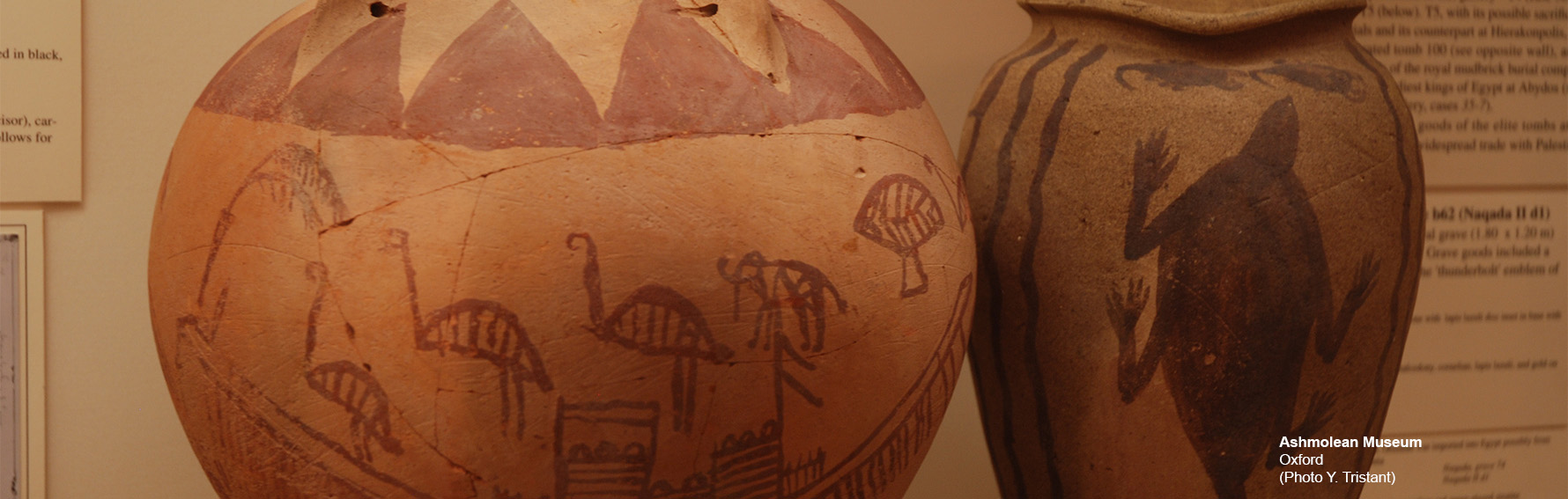
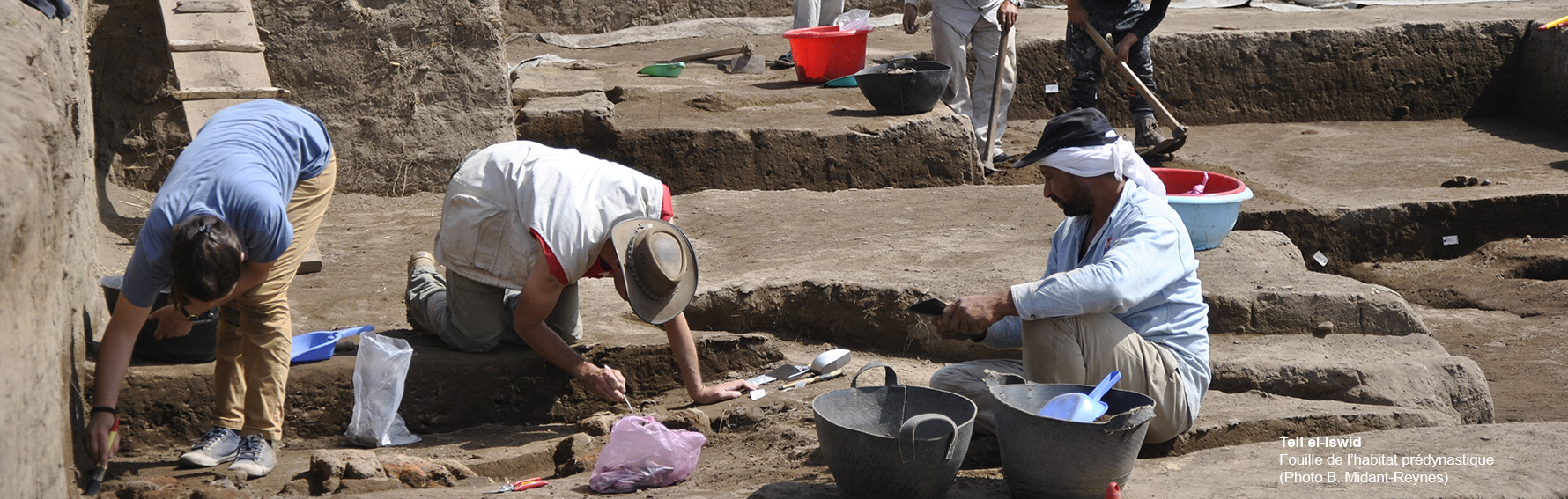
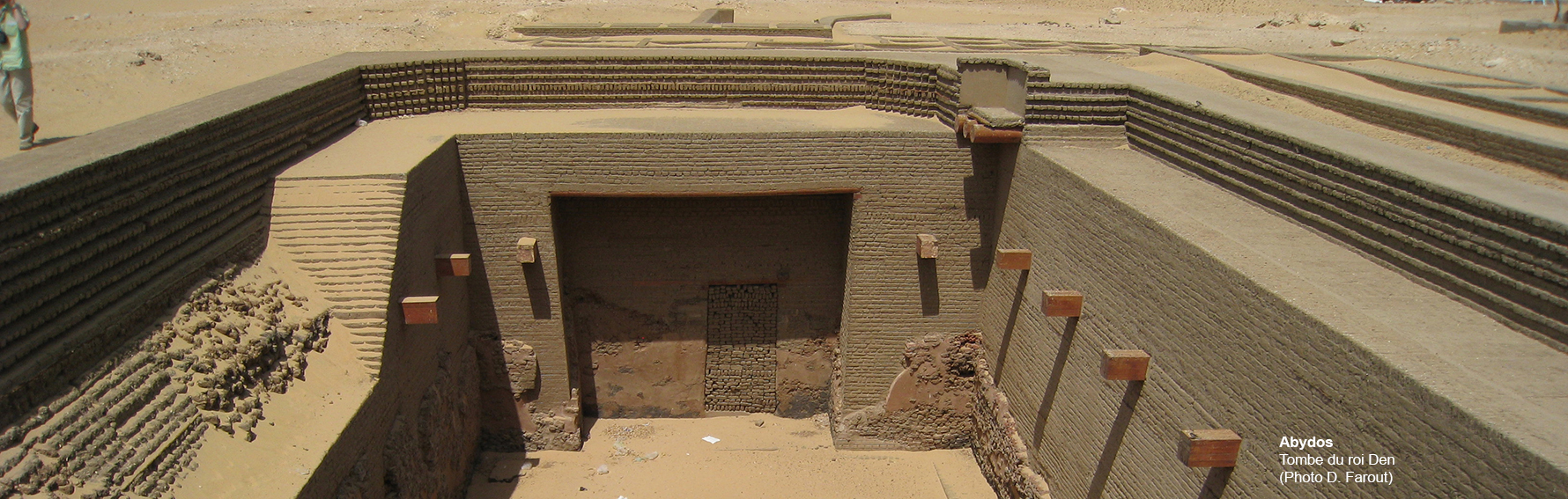
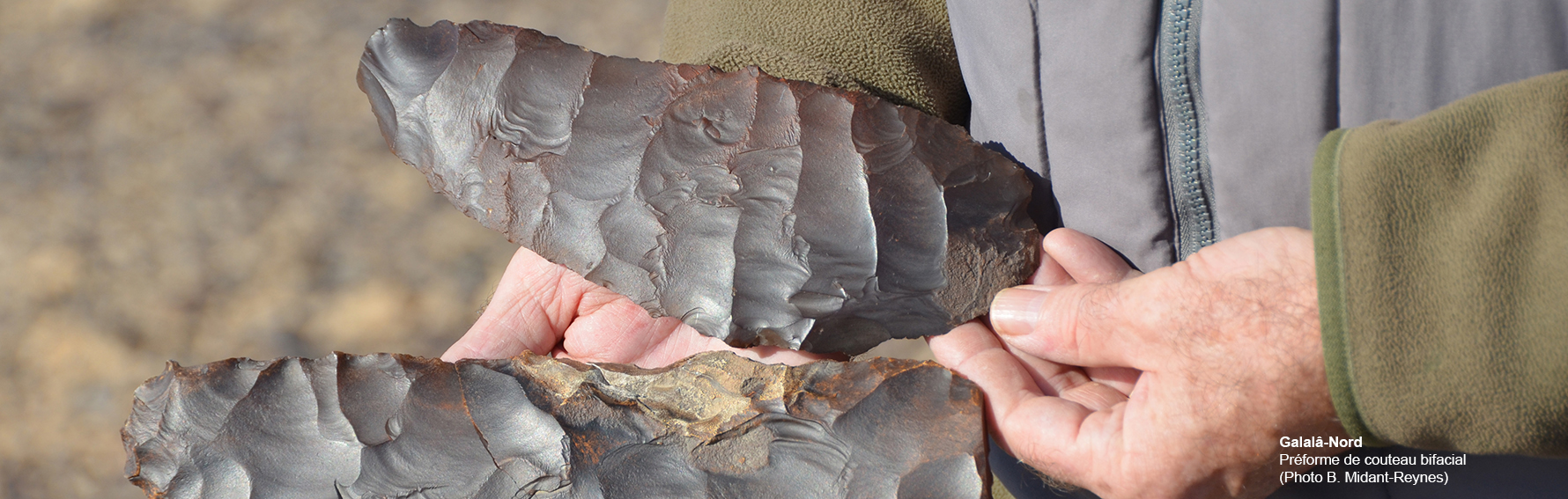
By the 5th millennium B.C., the inhabitants of the Nile Valley had already started to organise themselves into village communities. They had begun the practice of agriculture and animal husbandry. Funerary goods that accompanied some of the dead reveal a complex society whose people did not enjoy equal rights and in which the elite asserted their status through the possession of luxurious objects (flint knives, palettes, copper objects, etc). Writing appears towards 3200 BCE with the first kings of Egypt, regrouped into the so-called Dynasty "0". During an accelerated process of social acculturation, these communities witnessed the advent of a new epoch, namely the emergence of the State that would eventually lead to the Pharaonic Period. Archéo-Nil encompasses all themes that are devoted to this period, from the development of the first agricultural communities during the Neolithic through until the Early Dynastic Periods. Studies published in the Archéo-Nil Journal cover a wide and diverse geographical area including the Nile Valley and neighbouring deserts, extending into Central Africa, the Sahara and the Eastern Mediterranean Sea. The themes that concern the Archéo-Nil focus upon methodological, theoretical and practical implications. |
›
‹
- 1
- 2
- 3
- 4
- 5
- 6
- 7
- 8
- 9
News
Webinars 2026
13 March 2026
Jacek Kabaci ński
Twenty five years of research in Gebel Ramlah: the most important results and prospects for future
27 March 2026
Eric Crubézy
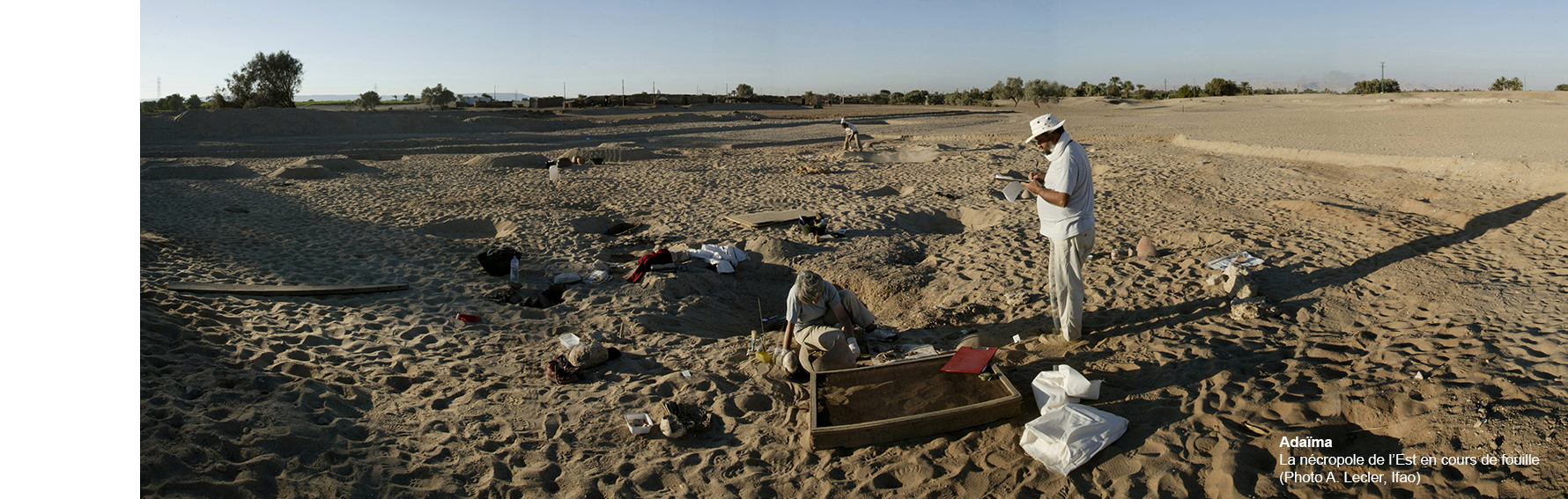
Fondation de l’état en Egypte. Apport de la nécropole d’Adaima
Wafa AL-Hussein
Pottery Technology in Late Prehistoric Sudan: Between Ethnographic Perspectives and Archaeological Evidence
Register here
News
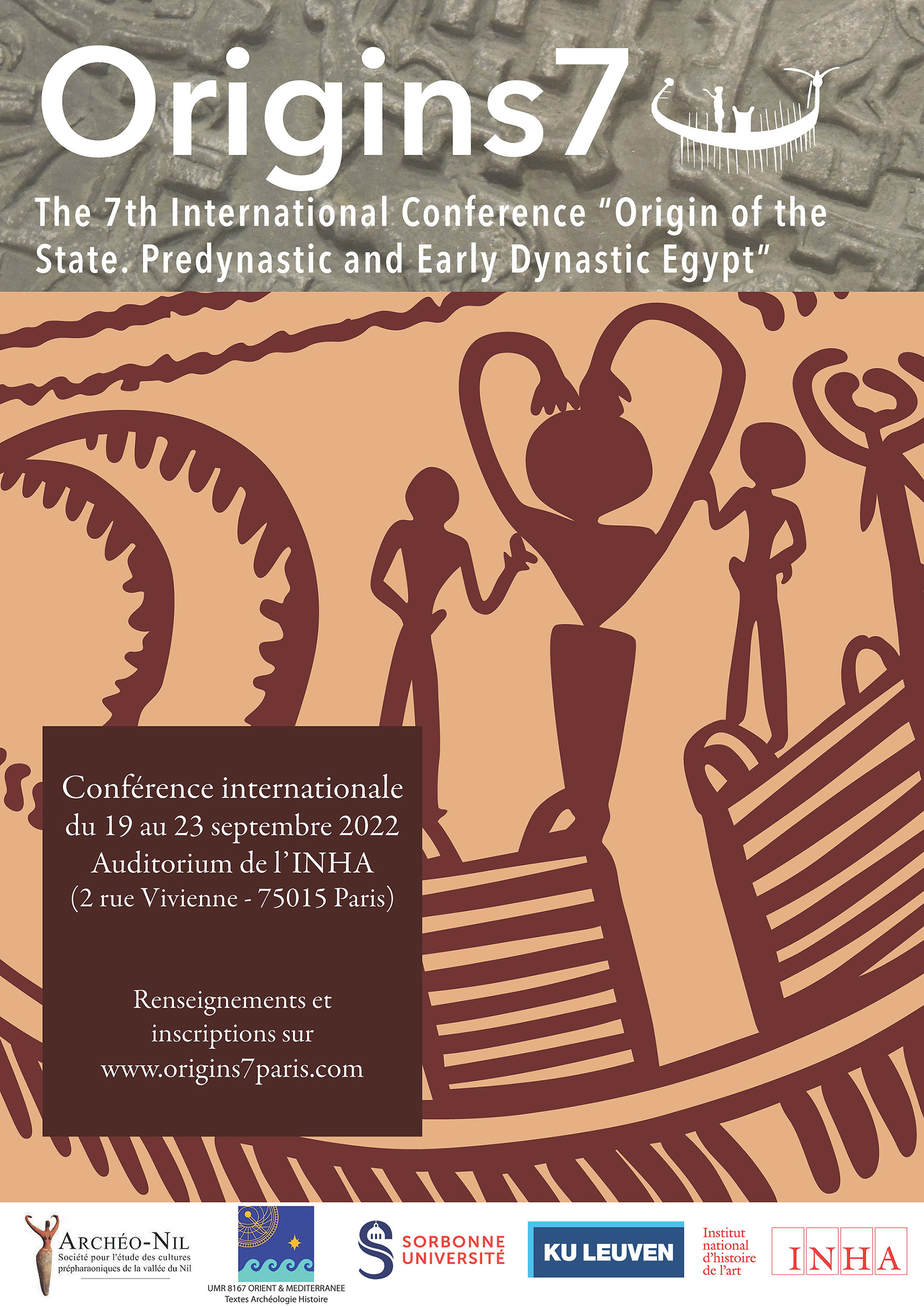
Origins7 Conference in Paris!
19-23 September 2022
Paris hosted the 7th edition of the Origins international conference dedicated to the study of Predynastic and Early Dynastic cultures of the Nile Valley. For five days, specialists in the field will present their work and discuss the most recent results. Archéo-Nil is a partner of the event.
For more information: www.origins7paris.com
News
25/06/2021
Early Egypt Bibliography (EEB)
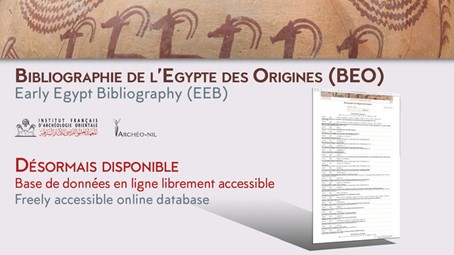
For over 25 years, the “Bibliography of the Prehistory and the Early Dynastic period of Egypt and northern Sudan” has been the essential bibliographical research tool regarding the Prehistoric, Predynastic and Early Dynastic periods in Egypt and northern Sudan (up to the latitude of Khartoum). The original bibliography was published in 1995 by Stan Hendrickx, with yearly updates in the journal Archéo-Nil, from 2010 onwards in collaboration with Wouter Claes. With the generous aid and collaboration of the IFAO (Christian Gaubert) and Archéo-Nil (Yann Tristant), the EEB is now available as a freely accessible and online database at
News
05/05/2022

Archéo-Nil is now available open access on Persée!
Our journal is now available open access on the website Persée nd includes the volumes from 1990 until 2021. Each article has a doi and keyword search is now possible. You can find them from the Journal tab or directlty on Persée website.
More articles will be available soon. Happy reading!





Contact
Archéo-Nil
|
Archéo-Nil is a non-profit society created in 1990 to promote the study of the pre-pharaonic cultures of the Nile valley (newsletters, conferences, exhibitions, conferences, etc.) and to assist associated research and archaeological expeditions.”Archéo-Nil is a non-profit society created in 1990 to promote the study of the pre-pharaonic cultures of the Nile valley (newsletters, conferences, exhibitions, conferences, etc.) and to assist associated research and archaeological expeditions. |
Archéo-Nil Collège de France 11 Place Marcelin Berthelot 75231 Paris France |